Real Impact: Bridging the gap to a thriving future
How ERC helped a grandmother get her grandson the education he needed
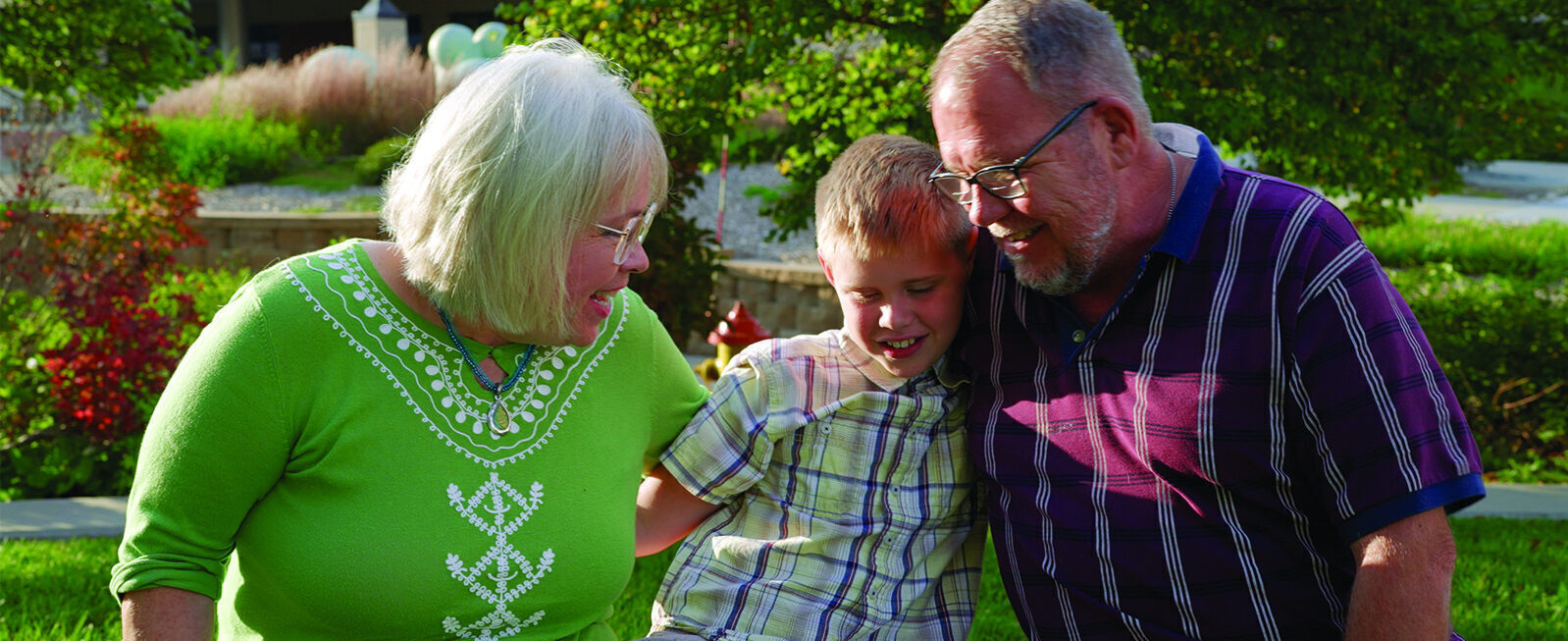
Carla did everything right. She showed up. She spoke up. She was determined to get her grandson the education he needed.
"I have known Aaron since he was less than 24 hours old. We've been very involved in his life. And I k now this kid. And it felt like they weren't listening to me."
Carla has been her grandson Aaron's fiercest champion since he was born. When his previous foster home wasn’t meeting his needs, she advocated for improvements. When his medications didn’t seem to be working, she worked with the doctors to get his prescriptions updated. And when he needed someone to advocate for his education needs, she stepped in. She attended meetings. She called teachers. She challenged the school’s determination to move Aaron out of the smaller classroom setting where he'd been making real progress and into a traditional classroom setting where she knew he wouldn’t be able to succeed.
"I kept telling them he can't be successful in a regular public school setting. He had demonstrated that." But the school system pushed forward, and Carla watched Aaron struggle.
When Aaron's guardian ad litem referred Carla to Education Rights Counsel, things changed.
"From the very first time that my ERC attorney was involved, the school staff were conciliatory. They were open. They were very concerned to do what's best for Aaron."
Carla’s ERC attorney translated complex education laws into plain language Carla could use, and showed her what the system was required to provide. Her ERC attorney showed up, took the lead when it mattered, and coordinated the efforts of Carla and the school system.
It took time. But with ERC beside her, Carla saw Aaron returned to the smaller classroom setting where he'd proven he could succeed, on a schedule that didn't leave him overwhelmed and shutting down.
Now, Aaron is caught up on his coursework and will graduate in May. His teachers are using him as a model for other students, pointing to his progress as proof of what can be accomplished with determination, the right placement, and proper support.
"A year ago, I never would have thought any teacher would have said that about him," Carla said. "I think he has finally internalized: yeah, I'm capable of doing this."
Related Entries

Texas v. Kennedy Update
A recent federal ruling removed community integration provisions from the 2024 Section 504 health regulations, and many families are wondering what it means for their child's rights in school. Section 504 remains in place, but enforcement is shifting, and you do not have to sort it out alone.
Read More
A win for collective advocacy, but the work to protect students is not over
On Monday, Voices for Children in Nebraska, Education Rights Counsel, and ACLU Nebraska joined community members, parents, educators, advocates, and others who spoke up about the use of electrified gloves in Nebraska schools. Our collective voice was heard. Those who raised concerns, shared their experiences, contacted decision-makers, and demanded better for Nebraska students helped make clear that these devices have no place in our schools.
Read More
Voices for Children, Education Rights Counsel, and ACLU of Nebraska issue joint statement on use of electrified gloves in schools.
Voices for Children in Nebraska, Education Rights Counsel, and ACLU of Nebraska stand together in strong opposition to the use of electrified gloves on children in schools and to School Resource Officers carrying these devices in school buildings. There will be an opportunity to share thoughts during time for public comment at the Omaha Public Schools board meeting on Monday, August 17, at 6 p.m. Families in other Omaha-area school districts should also reach out to their school boards to ask about their districts’ policies on use of force and memoranda of understanding with the Omaha Police Department.
Read More